
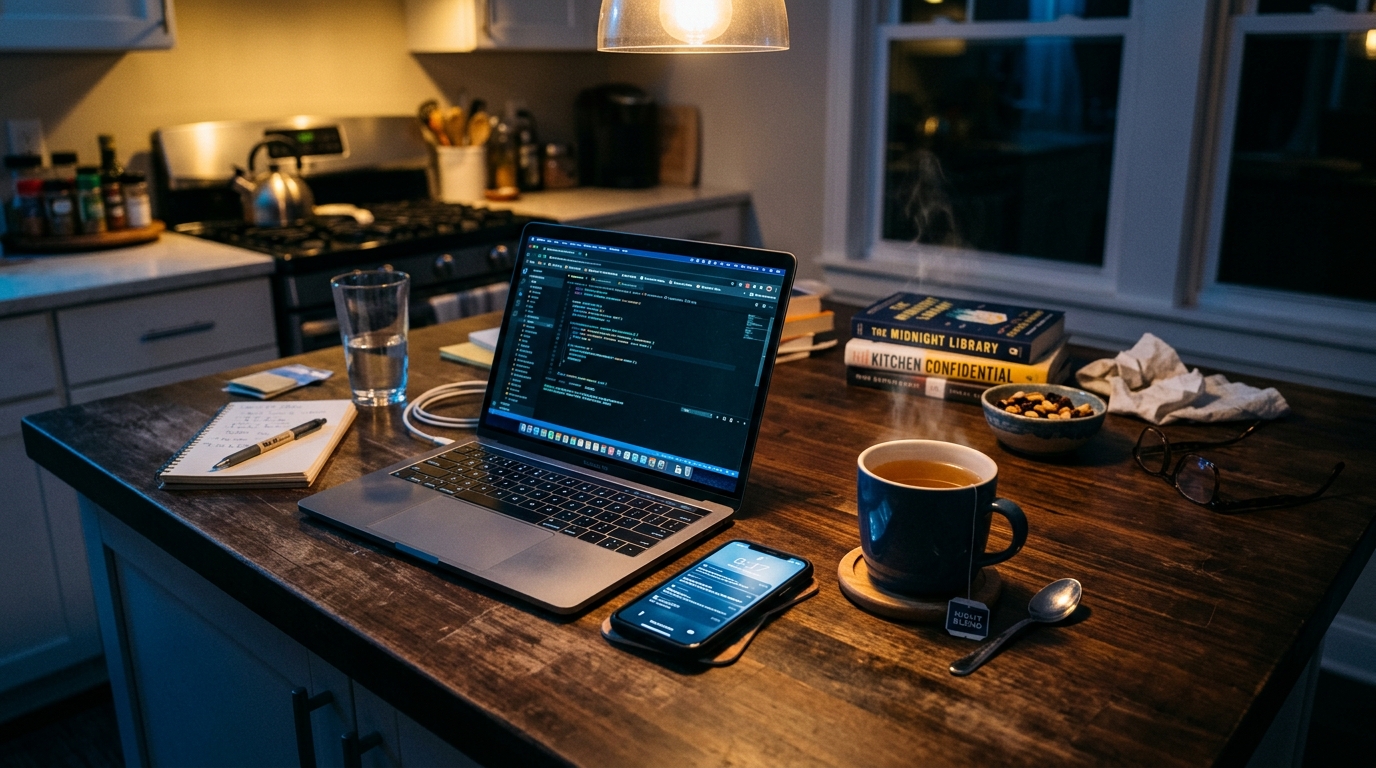
Imagine sitting at your kitchen island at 11:30 PM. On your laptop, you have a whatsapp web tab open; on another monitor, the telegram web interface is glowing brightly. Meanwhile, you’re constantly refreshing the native telegram app on your smartphone, trying to piece together whether your teenager is actually studying for tomorrow's exam or just bouncing between different group chats. For many parents, the anxiety of modern digital wellness feels a bit like surviving in The Last of Us—a constant, exhausting state of high alert in the dark, reacting to every small movement.
To put it directly: Luna - Parental Online Tracker’s latest architectural update introduces an AI-driven multi-platform correlation engine that completely eliminates this anxiety. It directly connects WhatsApp and Telegram online activity, converting raw timestamps into readable, unified sleep and study patterns so you never have to manually supervise isolated devices again.
Over my seven years as a product strategist in digital wellness, I’ve watched families drive themselves to burnout trying to apply outdated monitoring methods to modern messaging habits. The recently published Mobil Uygulama Trendleri 2026 (Mobile App Trends 2026) report by Adjust confirms what we've seen in our own user research: global app sessions grew by 7% last year, and consumer spending reached a staggering $167 billion. The digital environment is expanding rapidly. The report specifically highlights that future growth and utility will rely almost entirely on "Yapay Zeka + Çoklu Platform Ölçüm Mimarisi" (AI + Multi-Platform Measurement Architecture) rather than single-channel observation.
In our field, this means that tracking isolated apps is a relic of the past. To understand why Luna's new unified architecture is so vital, we need to debunk some of the most persistent myths surrounding digital family tracking.
Stop Evaluating Platforms in Isolation
The Myth: Monitoring a single messaging application gives you an accurate representation of someone's digital screen time.
The Reality: Teenagers do not live on one app. A common misconception is that if a child isn't on WhatsApp, they are asleep or off their phone. In reality, digital habits are highly fragmented. They might coordinate a study group on one platform and immediately switch to another for social conversations.
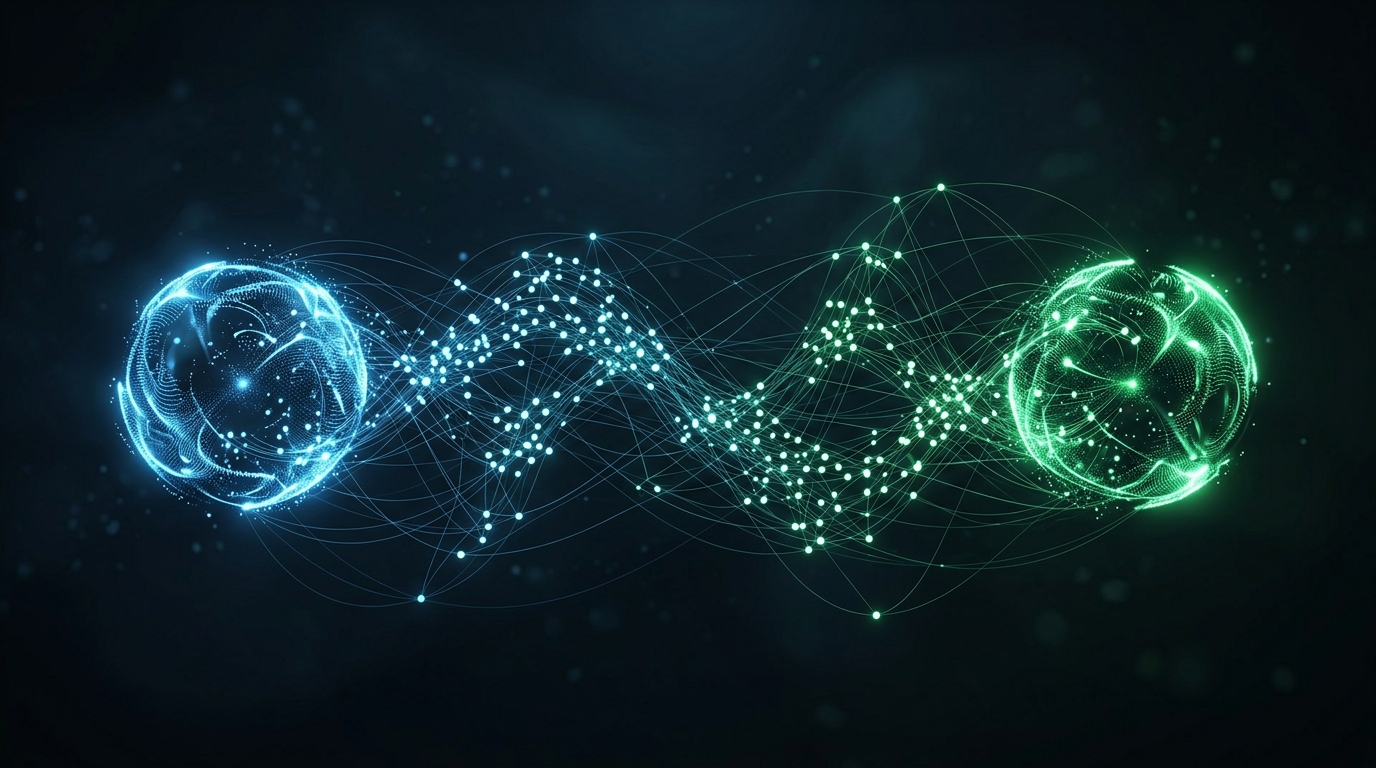
When we designed the latest update for Luna, our primary goal was to address this fragmentation. Our new correlation engine maps out activity across both major networks simultaneously. Instead of providing two separate, confusing timelines, the system identifies the overlaps. If a device switches rapidly back and forth between networks, Luna interprets this as a single, continuous block of digital activity. This multi-platform architecture—echoing the core themes of the 2026 Adjust report—moves parents away from raw, disjointed data and toward genuine behavioral insight.
Reject Unsafe Workarounds and Third-Party Modifications
The Myth: You need invasive device modifications or unofficial applications to get accurate visibility into user activity.
The Reality: Resorting to altered software is both unnecessary and actively dangerous.
I frequently see users in forums recommending tools like gb whatsapp to bypass standard privacy features. These unofficial modifications pose severe security risks, often resulting in compromised personal data or permanent account bans. The digital economy is moving firmly in the opposite direction. According to the Adjust 2026 data, iOS App Tracking Transparency (ATT) opt-in rates rose from 35% to 38% in the first quarter of the year. This steady increase proves that users are becoming highly conscious of privacy and consent.
In my strategic analysis of global digital wellness markets, search intent tells a fascinating story about this need for safe, reliable tools. A parent in Europe might search for screen-time management, while a user in Turkey might type a highly specific phrase into an app store: whatsapp takibi için doğrudan çevrimiçi görülme analizi yapan bir uygulama. Despite the linguistic differences, the core user intent is identical everywhere: families want clear, actionable insights without compromising device security. Luna operates entirely externally. It requires no installation on the target device, requests no invasive permissions, and relies strictly on publicly broadcasted status signals, ensuring that family trust and data integrity remain intact.
Shift Focus Away From Raw 'Last Seen' Timestamps
The Myth: Knowing the exact minute someone was last online is the most critical piece of information for digital parenting.
The Reality: A timestamp without context is essentially useless.
Many families become obsessed with the last time a profile was seen. However, modern messaging applications frequently perform background data syncs. A brief online status ping at 3:15 AM does not necessarily mean your child is awake and texting; it could simply be their phone backing up chat histories to the cloud.
The new feature set in Luna acts as a filter against this noise. By leveraging pattern recognition, the application learns to differentiate between a fleeting background sync and a prolonged, active conversation. If the system logs a continuous 45-minute session late at night, that represents a genuine disruption to healthy sleep hygiene. By shifting the focus from individual timestamps to broader behavioral trends, parents can initiate meaningful conversations with their children rather than confronting them over an automated system ping.
Embrace Intelligent Filtering Over Constant Alerts
The Myth: A good tracking tool should notify you the very second any online activity occurs.
The Reality: Constant notifications create anxiety and lead to alert fatigue.
If you receive a ping every time a device connects to a network, you will eventually start ignoring the notifications. The Adjust report emphasizes that 2026 is about using AI for intelligent segmentation and insight, not just data dumping. This principle applies heavily to digital parenting. You don't need an alert every time your teenager checks a message during their lunch break. You need an alert when an unusual pattern emerges—such as an unexpected spike in activity during designated study hours or late into the night.
This is where intelligent alerting mechanisms prove their worth, as Pınar Aktaş explained in a recent post regarding the difference between raw logs and contextual alerts. Luna’s updated dashboard prioritizes these meaningful deviations. It allows parents to customize notification thresholds, ensuring that when your phone does buzz, it is for something that actually warrants your attention.
Choosing the Right Approach for Your Family
When selecting a digital wellness strategy, clarity and ease of use should be your guiding metrics. Luna’s multi-platform status analysis is specifically designed for busy parents who need a clear overview of their household's digital routines without acting as a full-time system administrator.
Who is this updated architecture NOT for?
It is not built for employers trying to micromanage their remote staff, nor is it designed for individuals looking to spy on other adults. Our tools at the mobile app company Activity Monitor are strictly developed to foster healthier digital habits within families and support consensual, transparent online safety.
Ultimately, the transition from manual checking to unified pattern analysis represents a maturation in how we handle digital parenting. By acknowledging that fragmented apps require integrated solutions, and by trusting intelligent architecture over constant manual vigilance, we can finally stop staring at multiple screens late at night and start focusing on fostering healthier offline lives for our families.