

According to the recently published Mobile App Trends 2026 report by Adjust, global mobile application installs jumped by 10% in 2025, while total user sessions increased by 7%. Consumer spending also hit a massive $167 billion. While industry analysts use these figures to track market growth, as a mobile communications researcher, I read this data as a clear indicator of behavioral fragmentation. Users—especially teenagers—are no longer contained to a single messaging ecosystem. They are distributing their time across multiple platforms simultaneously, making traditional, single-app parental monitoring obsolete.
As I review international user habits, the search terminology highlights a universal frustration. Parents are constantly looking for a unified application designed specifically for comprehensive digital safety. They want to monitor online status and historical seen patterns directly, requiring effective cross-platform tracking without having to manually juggle five different tools.
The solution to this fragmentation isn't harder manual monitoring; it is unified structural measurement. In this article, we will examine why isolated tracking is failing, how multi-platform habits hide real screen time, and what a unified approach actually looks like in practice.
Why are isolated tracking methods no longer working?
A few years ago, keeping an eye on a teenager's digital well-being was mostly about checking their primary messaging app. Today, communication happens across a fragmented environment of official apps, web interfaces, and third-party modifications.
A major finding in the 2026 Adjust report is that future digital growth and analysis rely heavily on "multi-platform measurement architecture" rather than optimizing a single channel. This exact concept applies to digital parenting. If you are only looking at one platform, you are operating with massive blind spots. A child might appear offline on their primary messaging tool, but they could be actively messaging via the telegram app on their phone, or using a third-party modification like gb whatsapp to mask their primary presence.
When parents try to monitor these separate channels manually, they usually fail. The mental load of guessing which app is being used at 2:00 AM is exhausting and highly inaccurate.
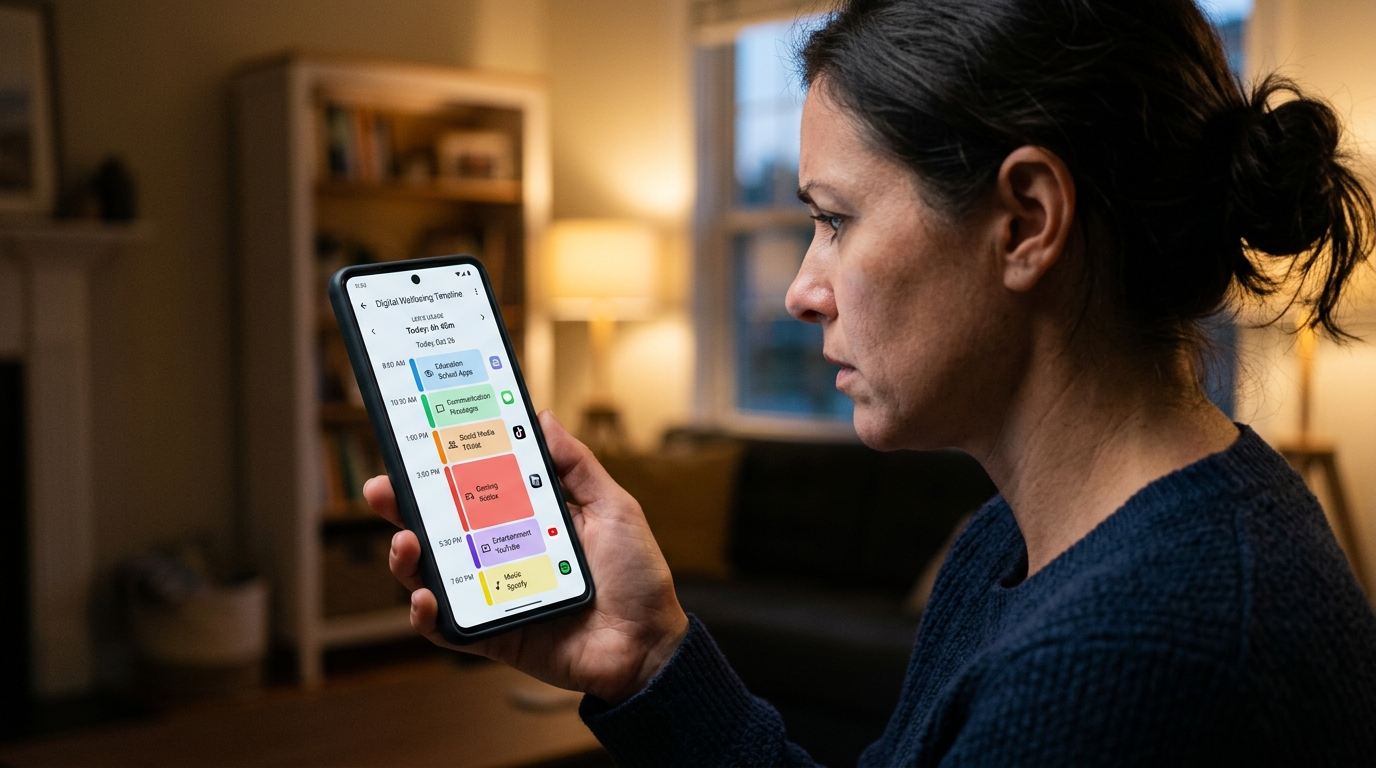
How do late-night digital habits hide across different screens?
To understand the necessity of multi-platform tracking, it helps to look at a practical scenario. Consider a typical Friday night. A teenager might log off their main messaging app at 10:30 PM, leading parents to believe they have gone to sleep. However, that same user might switch to their desktop computer.
Whether they are staying up late to watch a playthrough of The Last of Us and discussing it with friends via telegram web, or coordinating a group project using whatsapp web, their digital day is far from over. Because these web interfaces often operate independently of the primary mobile app's immediate status indicators, single-device tracking completely misses this extended activity.
When tracking tools only monitor the mobile installation, these late-night web sessions create a false sense of security. Parents need an approach that captures the entire picture, mapping out exactly when a user is active, regardless of the device or interface they are using.
What makes unified cross-platform synchronization different?
The core difference between legacy monitoring and modern pattern analysis is integration. Instead of viewing raw data logs in isolation, unified tracking overlays the data to reveal actual habits.
Luna - Parental Online Tracker is a prime example of this methodology. This application is a direct WhatsApp and Telegram last seen tracking and online status analysis tool designed specifically for families. By syncing data from both networks into a single dashboard, it eliminates the guesswork. If you want to know if late-night study sessions are actually turning into extended social hours across different platforms, Luna's unified timeline is designed for that exact outcome.
Rather than obsessing over an isolated last seen timestamp, the system identifies overlapping usage. It alerts you when activity begins on one network immediately after ending on another, illustrating a continuous chain of screen time that manual checking would never catch. As my colleague Pınar Aktaş covered in detail recently, abandoning manual checks in favor of automated pattern recognition is the most significant milestone families can reach for digital health.
Who actually needs this type of unified tracking?
Understanding who benefits from multi-platform status analysis is just as important as knowing how the technology works. This approach is not a universal necessity, but for specific groups, it is highly effective.
This approach is ideal for:
- Parents trying to enforce consistent sleep schedules who suspect late-night screen usage.
- Families dealing with sudden drops in academic performance linked to digital distractions.
- Digital guardians who want to understand broad usage trends without reading private messages.
Who is this NOT for?
- Individuals attempting to monitor a spouse or partner. (Trust issues require communication, not tracking tools).
- Micromanagers looking to intercept specific text contents or photos. (Pattern analysis focuses on time and duration, respecting message privacy).

How should you choose a monitoring setup moving forward?
If you are deciding on a tracking method for your household, applying a strict set of selection criteria will save you from investing in the wrong tools. The 2026 data shows that iOS users are becoming more comfortable with data tracking—App Tracking Transparency (ATT) opt-in rates rose to 38% in early 2026—but only when that data provides clear, direct value. You should expect the same efficiency from your family tools.
When evaluating your options, look for these three critical factors:
First, prioritize multi-network support natively. If an app requires you to run two separate instances to monitor whatsapp and telegram, it will quickly become a burden. The tool should aggregate the data naturally.
Second, verify that it tracks web interfaces accurately. Ensure the system can log activity even if the user is relying heavily on desktop browsers rather than mobile applications.
Third, focus on alert intelligence rather than raw data dumps. Getting a notification that someone was online at 3:15 AM is much more useful than scrolling through hundreds of routine daytime login timestamps.
Families can no longer rely on single-app metrics to understand digital behavior. By adopting tools that embrace multi-platform analysis, such as those developed by Activity Monitor, parents can finally see the complete picture and make informed decisions about their household's digital well-being.