

How much longer will families rely on fragmented, manual checks to understand their children's digital habits when mobile platforms themselves are moving toward unified AI architectures? The shift is already here: modern digital parenting now requires intelligent pattern analysis rather than isolated status monitoring. As platforms fragment across devices, relying on a single timestamp is no longer enough to gauge digital well-being.
As a mobile communications researcher analyzing user behavior across messaging networks, I spend my days observing how rapidly our digital routines evolve. The days of repeatedly opening an application just to check a single online indicator are officially ending. Families are exhausted by the manual effort, and the tech industry is pivoting toward automated, intelligent observation.
The 2026 Mobile Reality: More Sessions, Less Patience
Families may use more than one messaging platform, so a single visible timestamp can provide incomplete context. A timeline should make its supported platforms and data limits clear.
A family may use more than one messaging platform. Confirm which visible activity the current app supports, and avoid treating one timestamp or a timeline as total screen time.
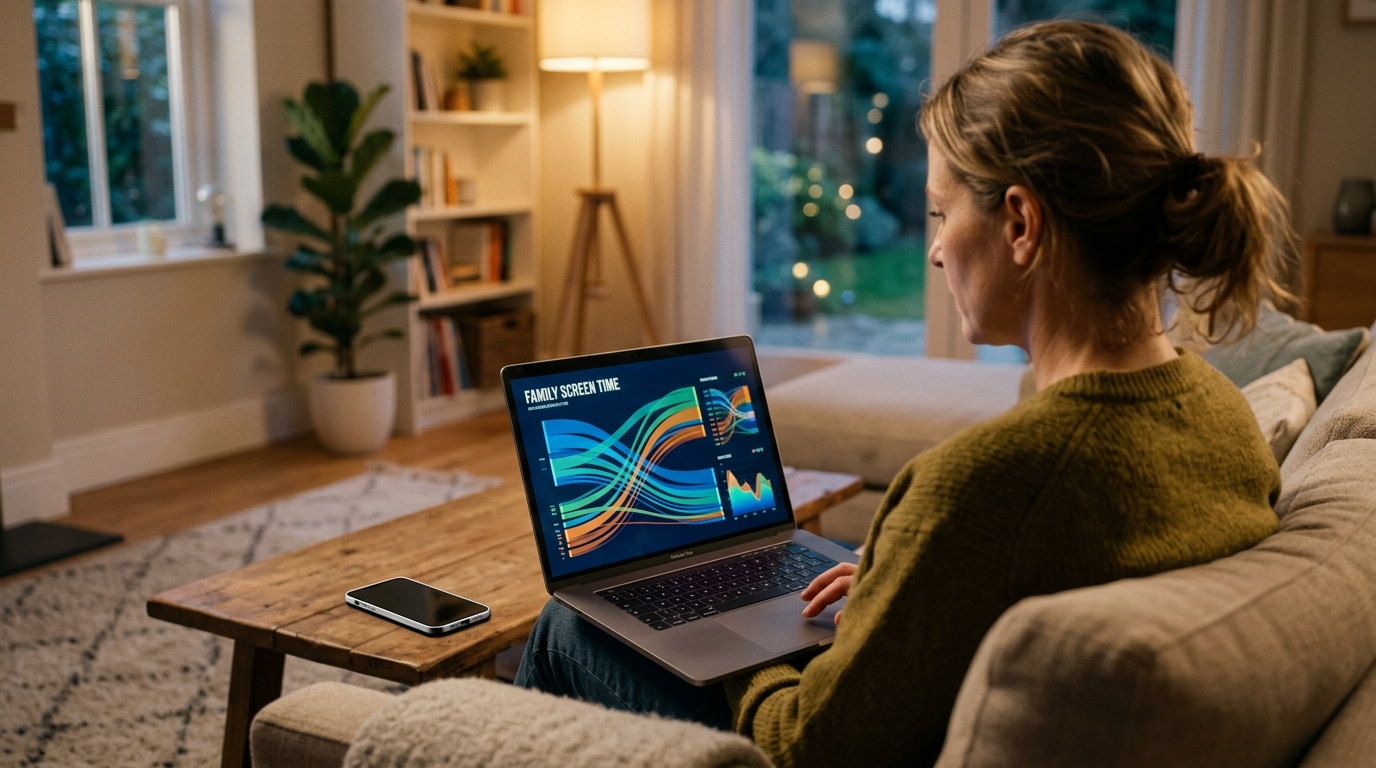
Check how the app behaves on your own device: whether visible sessions update as expected and whether its explanations are understandable. A broad app-retention claim cannot establish those qualities.
Why Fragmented Messaging Defeats Manual Observation
Consider a typical evening in a modern household. A teenager might start a conversation using the Telegram app on their mobile device during the commute home. Later, while doing homework, they switch to WhatsApp Web on a shared family laptop. Before bed, they might open Telegram Web on a tablet.
Reviewing online activity should support an agreed conversation about routines. It is not an emergency response tool and cannot guarantee a stress-free experience.
A tracking app can organise supported visible activity; it cannot recover hidden status, read private messages or infer the content of a conversation from timestamps.
The Shift to Unified Pattern Analysis
This is where the transition from manual logging to pattern analysis becomes crucial. Instead of asking, "Was my child online at 2:00 AM?" families are now asking, "What does my child's baseline messaging behavior look like across all devices?"
Set boundaries with the people involved before reviewing an activity timeline. Timing alone does not establish sleep, attention, relationships or communication between two people.
Broader mobile analytics firms are catching on to this requirement. Ecosystems built by mobile development companies like Activity Monitor demonstrate that multi-platform visibility is becoming the baseline standard for 2026. The technology is adapting to the reality of fragmented attention.

Establishing Your Family's Decision Framework
If you are realizing that your current approach to monitoring screen time is outdated, it is time to upgrade your methodology. When evaluating a new approach for your household, I recommend applying a strict set of selection criteria:
- Cross-Platform Fluidity: Can the methodology map habits consistently across mobile applications as well as browser-based sessions like WhatsApp Web and Telegram Web?
- Privacy and data controls: Read the current privacy policy, permissions and available controls. Tracking-consent percentages do not establish an individual app's practices or users' reasons for consenting.
- Actionable Intelligence Over Raw Logs: Does the system highlight unusual late-night routines, or does it merely hand you an overwhelming spreadsheet of timestamps?
Who Actually Benefits From This Evolution?
To be completely clear about the intended audience for these advancements: this technology exists to foster healthier family dynamics. Luna - Parental Online Tracker is an app designed to directly monitor and analyze last seen and online statuses for WhatsApp and Telegram across multiple devices. The target user profile consists of proactive parents and guardians who need to safeguard their teens' sleep schedules and online habits without resorting to confiscating their phones.
Equally important is knowing who this is not for. These unified measurement tools are absolutely not designed for suspicious partners seeking to track significant others, nor are they for employers attempting to log their staff's working hours. The architecture is built fundamentally around the concept of digital parenting and family safety.
If you want to move beyond the chaos of manual monitoring and establish a clear understanding of your household's digital boundaries, Luna - Parental Online Tracker's unified pattern analysis is designed specifically for that outcome.
The messaging environment will only become more complex as we move deeper into 2026. By embracing intelligent, multi-platform analysis now, you can eliminate the anxiety of manual checks and focus on what actually matters: guiding your family toward balanced, healthy digital habits.
For the related workflow and its limits, read: How to Know If Someone Is Online on WhatsApp Without Crossing a Line.