
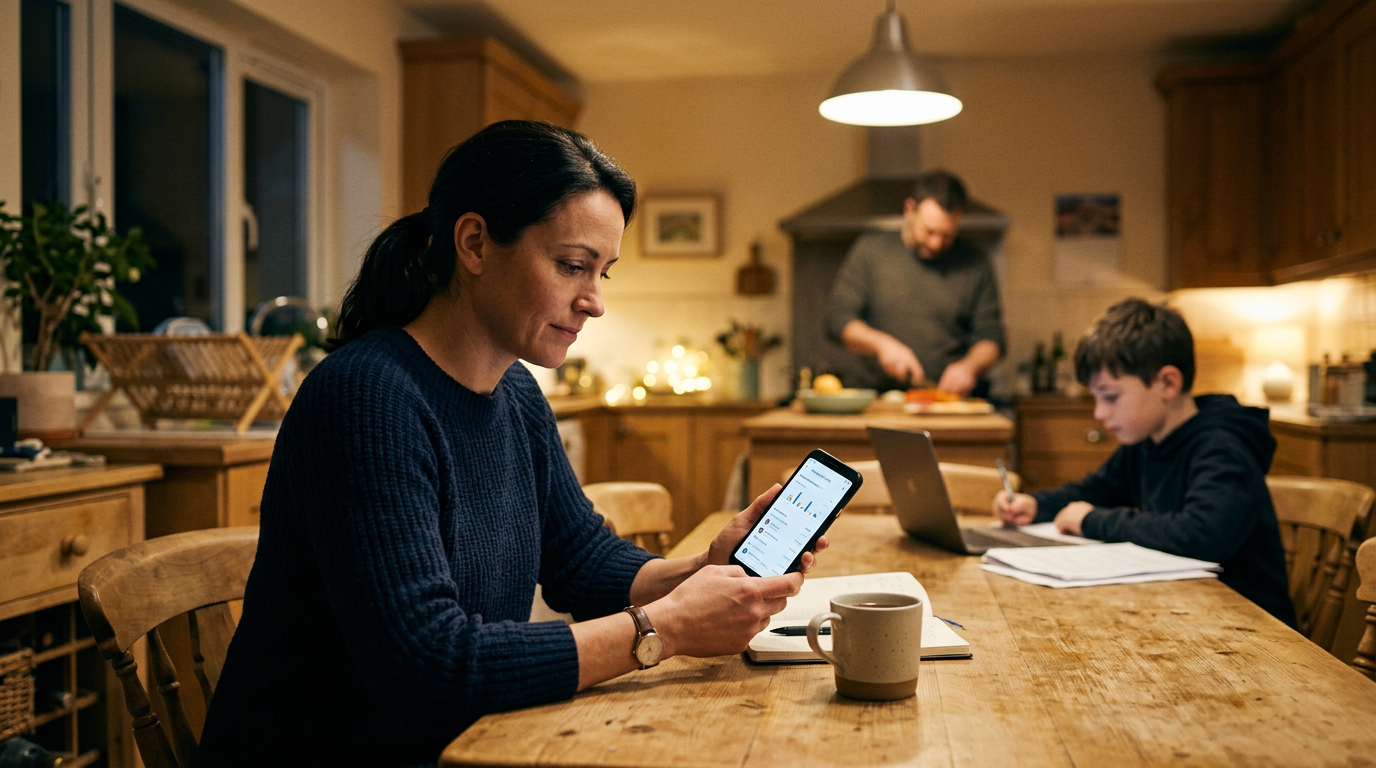
After 50,000 family tracking setups, one lesson stands out: most parents are not looking for constant surveillance, they are trying to make sense of patterns. A last seen and online takibi app helps by turning scattered whatsapp and telegram activity into a timeline that is easier to read, especially for families who want context rather than guesswork.
That distinction matters. People often assume a tracker is only about catching something in the moment. In practice, many families use it to answer slower, more practical questions: Is a child staying up much later than usual? Did online habits change during exam weeks? Is there a difference between weekday and weekend use? Those are pattern questions, not panic questions.
A small milestone, and a more useful question behind it
Reaching 50,000 setups is interesting only if it helps explain behavior more clearly. The useful takeaway is not the number itself. It is what repeated family use shows about how messaging apps fit into everyday routines.
Across many households, whatsapp and telegram are checked in short bursts rather than in one long session. That sounds obvious, but it changes how people should interpret last seen data. A single late-night seen event may mean very little. A recurring sequence of brief check-ins over several nights means much more. Seen in isolation, one alert can be misleading. Seen over time, a pattern becomes readable.
What families usually notice first
The first surprise is often timing. Parents may expect most activity right after school, but many notice a second wave later in the evening. Not always long conversations. Often just repeated, brief returns to the app.
The second surprise is inconsistency between platforms. Some children use whatsapp as their routine check-in space while telegram becomes the place for narrower group activity, channel browsing, or shorter bursts of interaction. That is why direct monitoring across both platforms gives a fuller picture than relying on memory, assumptions, or a quick glance at whatsapp web or telegram web on a shared computer.
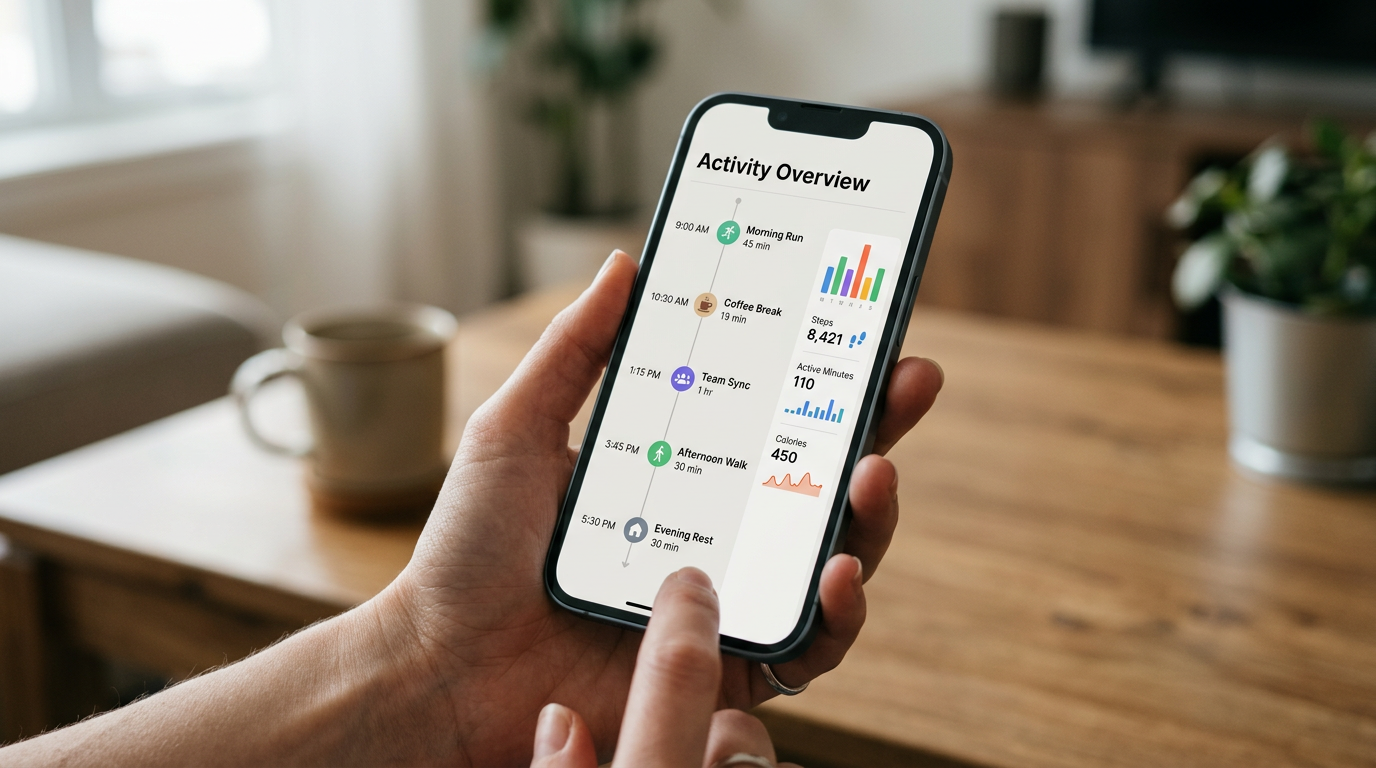
The third surprise is that "last seen" does not automatically equal "active conversation." A person can appear online briefly, leave, return, and repeat that cycle without having one long chat. This is where takibi becomes more useful when it shows a sequence instead of one isolated event.
What this kind of app is actually for
Luna - Parental Online Tracker is a mobile app for families who want to follow WhatsApp and Telegram online status patterns on supported mobile platforms. It is most useful for parents or guardians who need a clearer view of routines, timing shifts, and repeated online behavior without manually checking screens throughout the day.
That last part is worth emphasizing. The practical value is not just seeing whether someone is online doğrudan at one moment. It is seeing whether habits are changing.
Who benefits most
This approach tends to fit:
- Parents trying to understand evening screen habits
- Families managing device rules during school periods
- Guardians who need a record of repeated late-night messaging windows
- Households comparing weekday and weekend patterns before changing rules
Who this is not for
It is probably not the right fit for people who only want a one-time check, or for anyone expecting a tracker to explain the content or meaning of private conversations. It is also not a match for households that have no interest in trend-based monitoring and only want occasional manual checks through whatsapp web, telegram web, or the telegram app itself.
What user feedback tends to reveal
Milestones become more credible when they include friction, not just praise. The most useful user feedback usually falls into three categories.
First: parents want fewer assumptions. Many discover that what felt like "hours online" was actually a string of short appearances. That does not always reduce concern, but it often changes the conversation at home.
Second: timing matters more than totals. A child being online for brief periods at 4 p.m. may be unremarkable. The same pattern at 1 a.m. carries very different meaning.
Third: comparison over time is more helpful than emotional checking. When people stop refreshing manually and start reviewing patterns, the discussion becomes calmer and more specific.
This is one reason some families look beyond casual methods like opening whatsapp web in a browser tab or checking the telegram app repeatedly. Manual checking creates fragments. A dedicated monitor is better at preserving context.

A practical way to read last seen data without overreacting
If you are interpreting last seen or seen records, it helps to treat them like signals rather than verdicts.
- Look for repetition. One unusual night is noise. Three to five similar nights may be a pattern.
- Compare days with similar schedules. School nights should be compared with school nights, not with weekends.
- Watch for changes in start time. An online window shifting from 10:15 p.m. to 12:40 a.m. is often more important than total frequency.
- Check platform differences. whatsapp and telegram often play different roles in the same routine.
- Use context from real life. Exams, travel, holidays, and family events can all change normal behavior.
A pattern is only useful if it leads to a better decision. Sometimes the result is stricter overnight rules. Sometimes it is simply realizing that the household already has a stable routine and does not need new restrictions.
How a tracking tool differs from generic alternatives
Families often start with generic approaches: occasional manual checks, shared-device browser history, or trying to infer behavior from notifications. Those methods can work for one-off curiosity, but they tend to miss the shape of behavior over time.
A dedicated last seen takibi tool differs in a simple way: it is designed to capture timing patterns consistently. Unlike checking whatsapp web or telegram web at random moments, it does not depend on someone remembering to look. And unlike modified app paths such as gb whatsapp discussions that come up in searches, a family-focused monitor is aimed at visibility and routine analysis rather than workaround-based messaging behavior.
If the goal is to understand repeated timing shifts rather than chase isolated moments, Luna - Parental Online Tracker's pattern-based monitoring is designed for that.
For readers who want a broader view of the team and app ecosystem behind this category, the Activity Monitor app portfolio gives useful context without turning the decision into a brand comparison exercise.
The milestone behind the milestone
There is another reason a 50,000-setup moment matters. It usually means the product has moved beyond edge cases. By that point, user feedback is no longer only about whether the feature works. It becomes feedback about how families actually interpret what they see.
That changes product thinking. A mature monitoring experience is not just about delivering more data. It is about making the data harder to misread.
For example, showing isolated online events can create unnecessary alarm. Showing grouped activity windows is often more informative. Highlighting day-to-day comparison is usually more useful than surfacing random spikes. Product direction tends to improve when enough households use the tool in ordinary life rather than in test scenarios.
Questions people tend to ask once they start tracking
Does last seen always mean active chatting?
No. Last seen or online status can reflect brief app openings, quick checks, or transitions in and out of the app. It should be read as activity timing, not proof of a full conversation.
Is whatsapp behavior usually the same as telegram behavior?
Not necessarily. In many households, the two apps serve different purposes. One may be used for close contacts, the other for groups, channels, or shorter bursts of activity.
Can manual checking do the same job?
Only partly. Manual checking can confirm a moment. It is much weaker for finding repeated patterns over days or weeks.
Why do some parents stop checking so often after setting up monitoring?
Because routine visibility often reduces uncertainty. Once there is a clearer pattern, people usually feel less pressure to keep checking doğrudan throughout the day.
A careful way to think about growth
Not every milestone should be treated as proof that a tool is right for everyone. Bigger usage does not automatically mean better fit. What it can mean, though, is that common family situations are becoming easier to understand.
For this category, that is a better measure than hype. The real value is not whether a post can mention a round number. It is whether families can move from vague concern to specific observation: later evenings, more frequent check-ins, changing weekend habits, or stable routines that need no intervention.
And that may be the clearest lesson from 50,000 setups. When parents can see patterns instead of guessing, conversations at home tend to become more grounded, more precise, and often more calm. That is a modest milestone, but a meaningful one.