
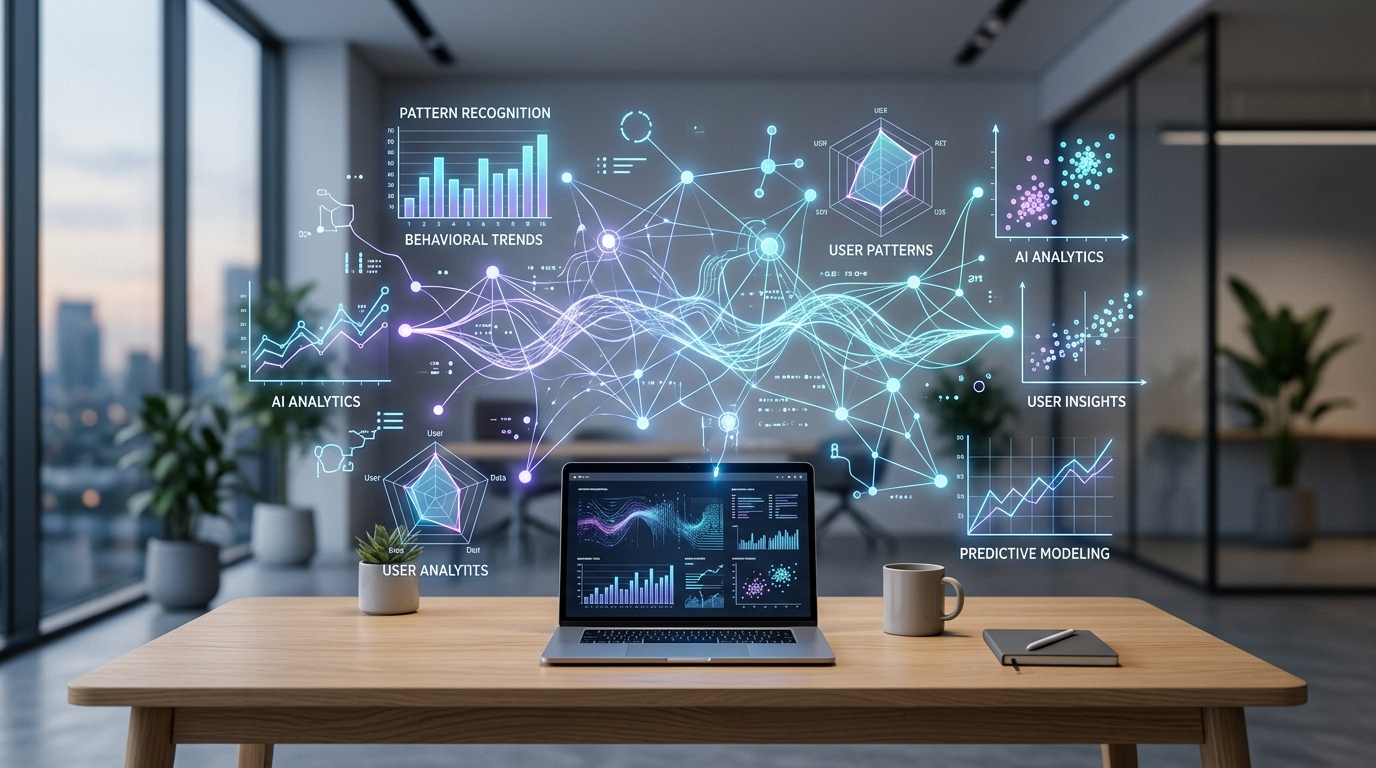
Recognize the Real Cost of Manual Checking
Imagine it is 11:30 PM on a school night. Your teenager is supposed to be asleep, but you find yourself sitting in the dark, manually refreshing their profile to see if they are online. You stare at the screen, waiting for the status to change, draining your battery, your mobile data, and your own peace of mind. To effectively monitor messaging habits without invading privacy or wasting time, Luna - Parental Online Tracker recently introduced a low-data, AI-driven synchronization feature that directly analyzes WhatsApp and Telegram online status patterns. This update eliminates the need for manual checks by quietly organizing cross-platform data into readable, actionable insights.
As a mobile communications researcher, I regularly analyze how families interact with digital tools. I have observed that parents often operate under fundamentally flawed assumptions about how messaging platforms broadcast user activity. When Luna launched its new algorithmic tracking engine, it wasn't just a technical upgrade; it was a necessary response to the reality of how modern mobile infrastructure works. Let's dismantle the most persistent misconceptions about tracking family screen time and look at how smart pattern analysis actually solves them.
Debunk Myth 1: Constant Pinging Yields the Best Data
The Myth: To get accurate information about your child's digital habits, you need an application that aggressively and continuously pings their profile for status updates.
The Reality: Heavy, aggressive monitoring is counterproductive. According to the comprehensive Adjust Mobile App Trends 2026 report, AI technologies have officially transitioned from a strategic bonus to fundamental infrastructure across the mobile industry. Furthermore, the report notes that "data-light" user behaviors are gaining massive momentum, meaning modern users—and modern mobile operating systems—heavily penalize apps that drain background data.
In my research across international markets, this behavioral shift is glaringly obvious. For instance, when analyzing regional search trends, queries for applications specifically built for continuous family monitoring often spike, but users quickly uninstall these heavy tools due to device lag. Luna’s new update solves this by utilizing intelligent, data-light pattern recognition. Instead of brute-forcing background checks, the system learns routine behavior and only logs significant anomalies. This means you get a clearer picture of their digital boundaries without triggering battery warnings on your own device.
Debunk Myth 2: Web Interfaces Sync Perfectly With Mobile
The Myth: If a user closes the app on their phone, they are instantly shown as offline across all connected devices.
The Reality: Multi-device architecture has completely broken the traditional concept of an offline status. Whether a user is active on the native Telegram app or they have simply left a browser tab open running WhatsApp Web or Telegram Web, the server handles these sessions differently.
I frequently talk to parents who panic because a profile shows as active at 2:00 AM. In many cases, the teenager fell asleep watching a video, but because a background web session was active, the server continually broadcasted an active status. Sometimes they leave these messaging tabs running in the background while engrossed in massive console or PC games like The Last of Us, creating false positives for messaging activity. Luna’s updated analytics engine differentiates between active typing sessions and passive background web connections, filtering out the noise. As my colleague Hakan Türkmen detailed in a recent analysis on evaluating 2026 user data and digital parenting, moving away from raw, unfiltered data logs toward contextual AI interpretation is critical for reducing parental anxiety.
Debunk Myth 3: Modified Apps Are a Safe Tracking Workaround
The Myth: Installing third-party, modified versions of popular messengers is a clever way to bypass privacy settings and track hidden statuses.
The Reality: Modified clients are a severe security risk. Over the years, I have seen an alarming number of users try to install unauthorized clones like GB WhatsApp in an attempt to freeze their own timestamps or secretly view others. These unauthorized platforms often contain malware, leak personal data, and inevitably result in permanent account bans from the official networks.
Looking at global search intent, parents often search for a WhatsApp or Telegram monitoring solution that works directly without requiring technical hacking. Reliable tracking should never compromise device security. Luna - Parental Online Tracker operates entirely externally. It does not require installing dangerous mods or compromising the target device. By observing public server broadcasts rather than hacking the client, it provides safe, reliable insights.
Debunk Myth 4: Status Timestamps Tell the Whole Story
The Myth: A simple timestamp is enough to understand a teenager's digital well-being.
The Reality: Raw timestamps lack context. Knowing the exact last time someone was seen is useless if you do not understand the broader routine. A single late-night login could be a brief check of a school group chat, whereas fragmented, continuous online sessions throughout the night indicate a disrupted sleep schedule.
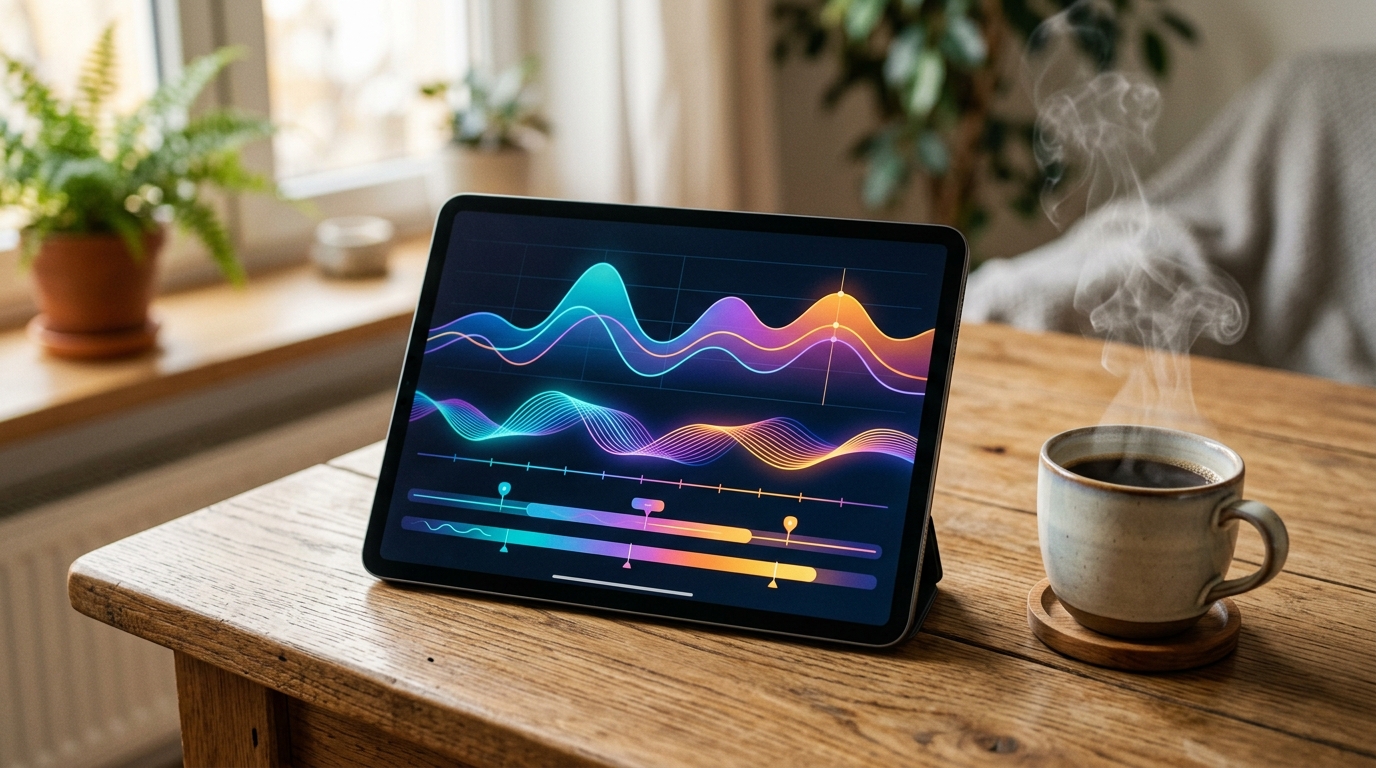
Regional analytics show that anxiety over exact "seen" times is universal. However, what parents actually need is pattern recognition. Luna’s new update aggregates these isolated timestamps into visual behavioral charts. It highlights deviations—like a sudden spike in late-night Telegram usage during a school week. Interestingly, the Adjust 2026 report highlights that App Tracking Transparency (ATT) opt-in rates continue to rise globally, showing that users prefer platforms that are transparent about data usage. By focusing on overall digital health patterns rather than invasive message reading, Luna aligns perfectly with these modern privacy expectations.
Adopt Smart Decision Criteria for Family Tools
If you are re-evaluating how you manage digital boundaries in your home, relying on manual refreshing is a losing battle. When selecting a tool, prioritize these criteria:
- Data Efficiency: Choose solutions that do not drain battery life with constant, heavy pinging.
- Contextual AI: The tool should filter out passive web sessions from active mobile use.
- Security First: Never use modded clients. Stick to tools produced by a reputable mobile app company that respect device integrity.
- Privacy Alignment: Look for analytics that summarize patterns rather than exposing granular, raw data logs.
By moving past these common myths and embracing Luna's unified, AI-driven approach, families can stop stressing over isolated timestamps and start having meaningful conversations about healthy digital habits.